
Expert Picks For Commercial Roof Inspection Service Gear
Review the most trusted and versatile products that support comprehensive and safe roof inspections for commercial properties.
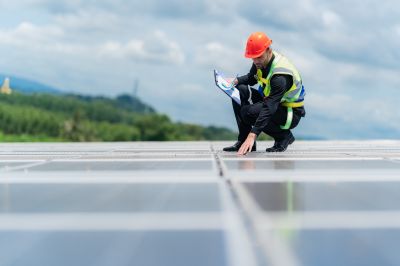 Commercial roof inspection services require specialized equipment to accurately assess the condition of large roofing structures. Professionals in this field utilize a variety of tools to identify potential issues such as leaks, structural damage, or material deterioration. The right equipment ensures comprehensive evaluations, helping property managers and contractors make informed decisions about maintenance and repairs. When selecting products for roof inspections, it is important to consider durability, ease of use, and compatibility with different roofing materials.
Top Overall Option
Multi-Functional Roof Inspection Kit
A comprehensive roof inspection kit that includes a durable ladder, a high-resolution digital camera, a thermal imaging device, and safety gear. This all-in-one set offers versatility for various inspection scenarios, enabling detailed visual and thermal assessments from the ground or at heights. Designed for durability and ease of use, it supports thorough evaluations of commercial roofing systems.
Types of Products For Commercial Roof Inspection Service
Extension Ladders
Heavy-duty extension ladders provide safe access to high roof areas, essential for close-up inspections.
Telescoping Poles
Extendable poles allow inspectors to reach difficult spots and inspect from the ground level.
Digital Cameras
High-resolution cameras capture detailed images of roofing surfaces for documentation and analysis.
Thermal Imaging Cameras
Thermal cameras detect temperature variations, revealing leaks or insulation issues unseen to the naked eye.
Drones
Unmanned aerial vehicles provide aerial views of large or hard-to-access roofs for comprehensive inspections.
Safety Harnesses
Personal fall protection equipment ensures safety during roof inspections at heights.
Leak Detection Sensors
Sensors help identify moisture intrusion and potential leaks within roofing materials.
Moisture Meters
Devices that measure moisture levels in roofing substrates to assess potential damage.
Inspection Mirrors
Portable mirrors allow inspection of hard-to-see areas beneath roofing structures.
Portable Lighting
LED work lights improve visibility during inspections in low-light conditions.
Popular Choices
Widely used for detecting temperature discrepancies indicating potential issues.
Popular for covering large roof areas efficiently and safely from above.
Commonly chosen for safe access to high roof sections during inspections.
Favored for capturing detailed visual documentation of roofing conditions.
Essential for inspections in dim or shadowed areas, ensuring clear visibility.
Versatile tools for inspecting hard-to-reach spots from the ground.
Critical for safe access during high-elevation inspections, widely used across the industry.
Popular for early detection of water intrusion and moisture accumulation.
Commonly employed for identifying insulation issues and thermal leaks.
Useful for inspecting concealed or hard-to-see areas beneath roofing surfaces.
In addition to handheld tools, technology-driven devices like thermal imaging cameras and drone systems have become increasingly popular. These tools allow for detailed inspections without the need for extensive physical access, reducing safety risks and inspection times. High-quality equipment can also provide clearer data, enabling more accurate assessments and documentation for ongoing maintenance or insurance purposes.
For those involved in commercial roof inspections, investing in versatile and reliable products is key. Whether it’s a sturdy ladder for close-up inspections, a high-resolution camera for detailed visuals, or a drone for aerial surveys, each tool plays a crucial role in the inspection process. Proper training and familiarity with the equipment further enhance the effectiveness of inspections, ensuring that potential issues are identified early and addressed appropriately.
Key Buying Considerations
- Durability and build quality to withstand outdoor conditions.
- Ease of use and ergonomic design for efficient inspections.
- Compatibility with various roofing materials and structures.
- Weight and portability, especially for handheld or drone equipment.
- Battery life and power options for extended use in the field.
- Image and data quality for accurate documentation.
- Safety features such as fall protection and stable support structures.
- Compatibility with existing tools or systems used in inspections.
- Cost and budget considerations relative to features offered.
- Availability of technical support and warranty services.
- Ease of transporting and storing equipment on-site.
- User reviews and industry recommendations for reliability.
- Integration capabilities with software for data analysis.
- Training requirements to operate advanced equipment effectively.
- Compliance with safety standards and regulations.
This page contains affiliate links. We may earn a commission if you purchase through these links, which supports our content creation and review efforts.